 Save
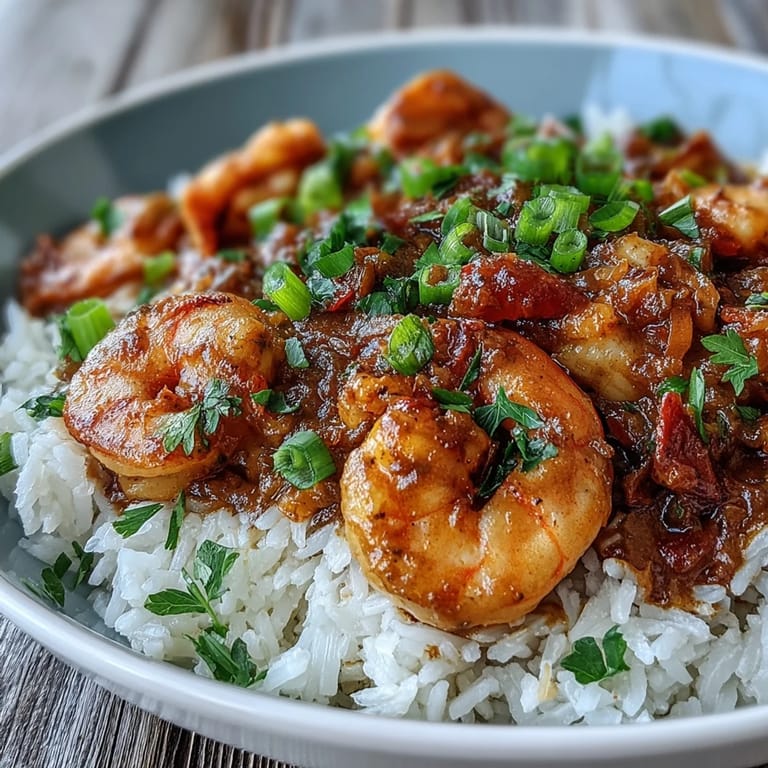
Save The kitchen smelled like patience that afternoon, the kind you can't rush no matter how hungry you are. I stood at the stove stirring a pot of bubbling roux, my wooden spoon scraping circles while the mixture darkened from blonde to mahogany. My neighbor had scribbled the recipe on a napkin after I'd raved about her étouffée at a potluck, and now here I was, learning that good Cajun food doesn't care about your schedule. The roux took twenty minutes of constant attention, and I understood why she'd smiled when she said, "Don't walk away, not even once." That first batch taught me more about cooking than a dozen fancy techniques ever could.
I made this for my brother's birthday one year because he'd been talking about a trip to New Orleans he never got to take. He walked into the kitchen while I was adding the holy trinity to the roux, and the smell stopped him mid-sentence. We ate it at the table with the windows open, rice piled high, and he said it tasted like a place he'd never been but somehow missed. That's when I realized étouffée isn't just dinner, it's a story you can serve on a plate.
Ingredients
- Vegetable oil and all-purpose flour: These two create the roux, the soul of the dish, and you need equal parts to get that thick, glossy base that coats everything.
- Onion, green bell pepper, and celery: The holy trinity of Cajun cooking, they add sweetness, crunch, and an earthy backbone that balances the heat.
- Garlic: Fresh minced garlic goes in after the vegetables soften so it perfumes the pot without burning.
- Shrimp or crawfish: Plump, sweet shrimp are traditional, but crawfish tail meat brings an even more authentic Louisiana touch if you can find it.
- Seafood stock: This adds brininess and body, though chicken stock works in a pinch and still tastes wonderful.
- Worcestershire sauce: A splash adds umami depth that makes you wonder what that mysterious richness is.
- Cajun seasoning and cayenne pepper: These bring the heat and complexity, but start light because you can always add more.
- Bay leaf: One leaf simmering in the pot adds a subtle herbal note that rounds out the spice.
- Cooked white rice: Fluffy long-grain rice is the perfect canvas to soak up all that saucy goodness.
- Green onions and parsley: A fresh, bright garnish that cuts through the richness right before serving.
Tired of Takeout? 🥡
Get 10 meals you can make faster than delivery arrives. Seriously.
One email. No spam. Unsubscribe anytime.
Instructions
- Start the roux:
- Heat the vegetable oil in a heavy pot over medium heat, then whisk in the flour slowly until it's smooth. Keep stirring without stopping, watching it go from pale to golden to the color of dark chocolate, about 15 to 20 minutes.
- Add the vegetables:
- Toss in the diced onion, bell pepper, and celery, stirring them into the roux until they soften and smell sweet, about 5 to 7 minutes. Stir in the garlic and let it bloom for a minute until the kitchen smells incredible.
- Build the sauce:
- Pour in the seafood stock gradually, whisking to blend it with the roux until the mixture is smooth and lump-free. The sauce will thicken as it heats, so keep stirring and scraping the bottom of the pot.
- Add the shrimp and seasonings:
- Stir in the shrimp, Worcestershire sauce, Cajun seasoning, cayenne, bay leaf, salt, and pepper. Bring everything to a gentle simmer, then lower the heat and let it cook uncovered for 20 to 30 minutes, stirring now and then.
- Finish and serve:
- Taste and adjust the salt and spice, then fish out the bay leaf. Spoon the étouffée over bowls of hot rice and scatter green onions and parsley on top.
 Save
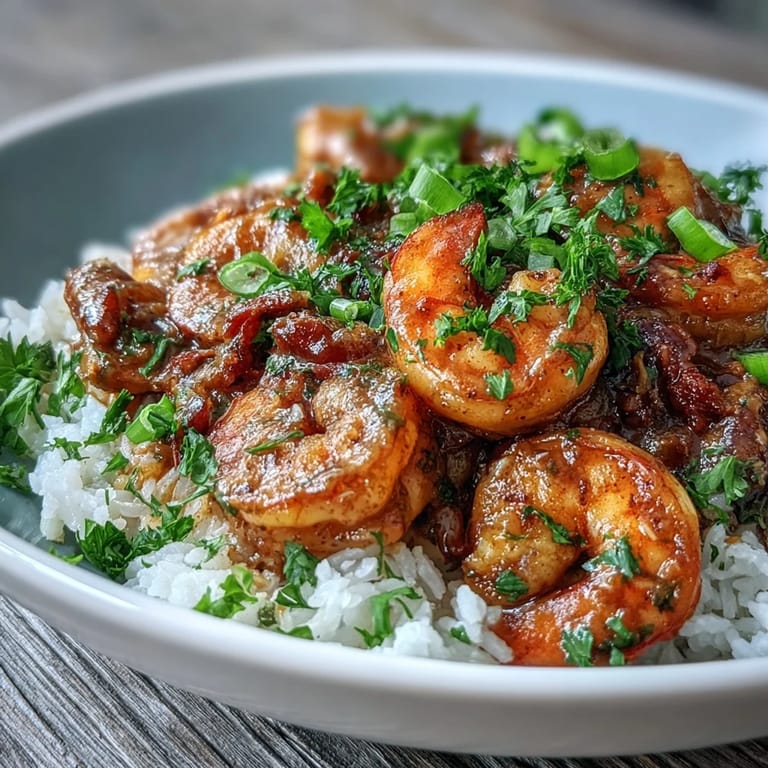
Save One rainy evening, I doubled the recipe and invited a few friends over without much planning. We sat around the table with mismatched bowls, passing hot sauce and arguing about whether crawfish or shrimp made a better étouffée. The pot was empty by the end of the night, and someone said it felt like we'd been transported to a little kitchen in the French Quarter. I realized then that this dish has a way of turning any dinner into something that feels like a celebration.
How to Get the Roux Just Right
The roux is everything in étouffée, and it takes patience you didn't know you had. Use a heavy pot so the heat spreads evenly, and keep the flame at medium so you have control. Stir constantly with a wooden spoon or whisk, scraping the bottom and edges, and watch the color shift from blonde to peanut butter to deep copper. You're aiming for a shade just lighter than milk chocolate, rich and nutty-smelling, not bitter. If you see black flecks or smell anything acrid, start over, because there's no coming back from a burnt roux.
Swapping Proteins and Making It Your Own
Shrimp is classic, but I've made this with chicken thighs, andouille sausage, and even big chunks of mushrooms when I wanted something hearty and vegetarian. If you're using chicken, cut it into bite-sized pieces and add it earlier so it cooks through during the simmer. Sausage can go in with the vegetables to release its flavor into the roux. For mushrooms, use meaty varieties like oyster or cremini, and sauté them first to get rid of excess moisture. The beauty of étouffée is that the sauce and the holy trinity do most of the work, so whatever protein you choose will taste like it belongs.
Serving Suggestions and Little Extras
I always serve this over a big mound of fluffy white rice because the grains soak up the sauce like a sponge. A basket of warm, crusty French bread on the side is perfect for mopping up every last bit. Sometimes I put out a bottle of hot sauce and a dish of sliced green onions so people can customize their bowls. A simple green salad with a tangy vinaigrette cuts through the richness and makes the meal feel complete.
- Make it a day ahead and reheat gently so the flavors have time to deepen and marry.
- Freeze leftovers in portions for an easy weeknight dinner that tastes homemade.
- Sprinkle a little filé powder on top if you want an extra layer of authentic Creole flavor.
 Save
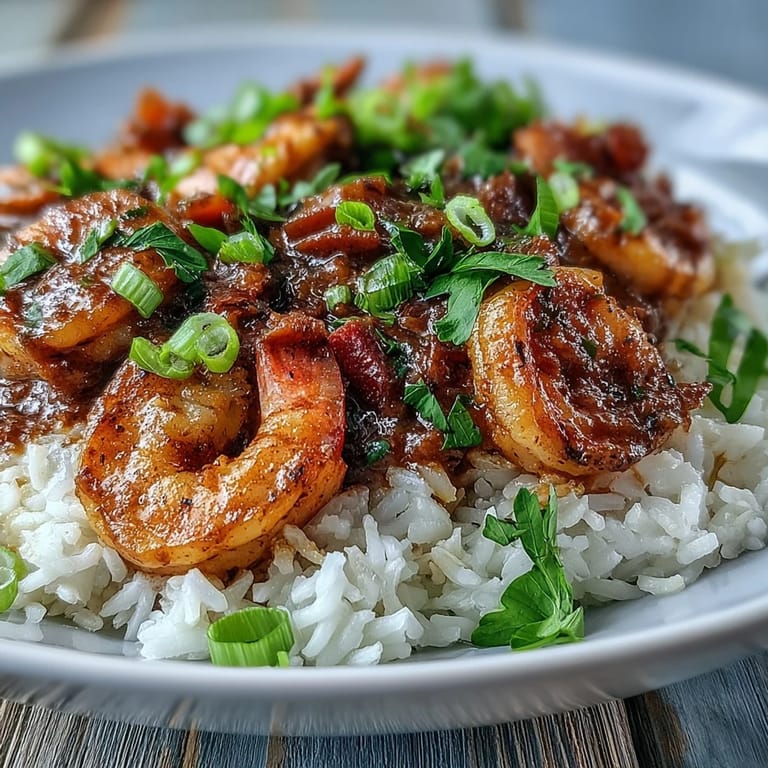
Save This étouffée has become my go-to when I want to cook something that feels like a hug, rich and warm and full of care. I hope it fills your kitchen with the same good smells and your table with the same happy faces it's brought to mine.
Recipe FAQ
- → What makes an authentic étouffée?
Authentic étouffée starts with a dark roux cooked to chocolate color, the holy trinity of vegetables (onion, bell pepper, celery), and seafood stock. The sauce should be thick and rich, coating the back of a spoon.
- → How long does it take to make the roux?
Cooking the roux to the proper deep golden brown color takes 15–20 minutes of constant stirring over medium heat. This slow process develops the nutty flavor and deep color essential to the dish.
- → Can I use crawfish instead of shrimp?
Absolutely. Crawfish is traditional in many Louisiana kitchens and provides a slightly sweeter, more delicate flavor. Use the same weight and cooking time as you would for shrimp.
- → What's the difference between étouffée and gumbo?
Étouffée features a thicker roux-based sauce that completely coats the seafood, while gumbo has a thinner, broth-like consistency with file powder or okra as thickeners. Étouffée also typically contains fewer ingredients.
- → How do I store and reheat leftovers?
Store in an airtight container in the refrigerator for up to 4 days. The flavors actually improve overnight. Reheat gently over low heat, adding a splash of stock if the sauce has thickened too much.
- → Can I make this gluten-free?
Yes. Use a certified gluten-free flour blend for the roux and ensure your seafood stock is gluten-free. The technique remains the same, though the roux may brown slightly differently.