 Save
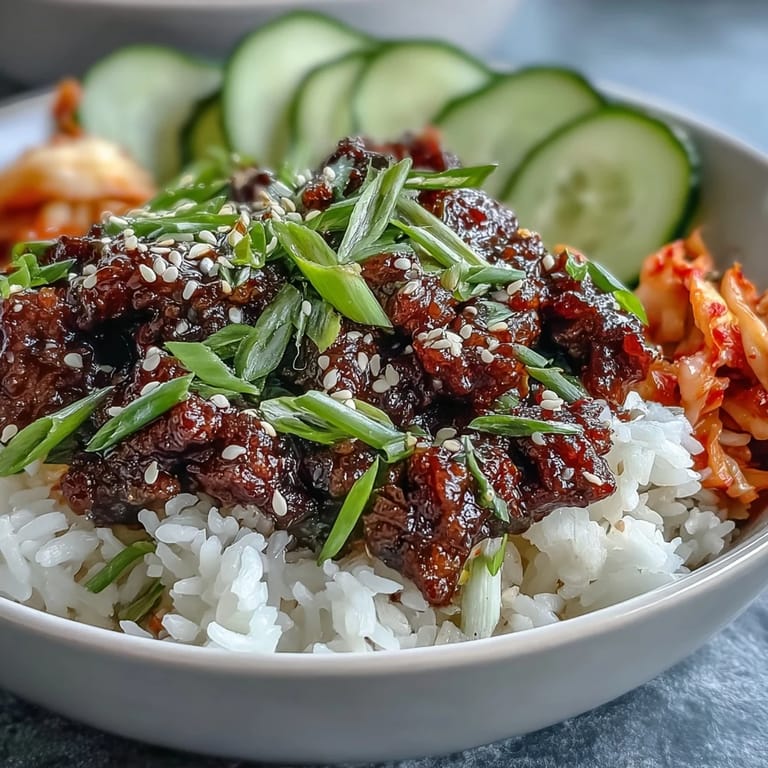
Save My coworker Sarah brought one of these bowls to lunch on a rainy Tuesday, and the aroma alone had everyone leaning over their desks asking what she was eating. She explained it was a Korean ground beef bowl she'd learned to make from her neighbor, and suddenly I understood why she looked forward to leftovers so much. The combination of savory, spicy, and fresh felt like discovering a shortcut to restaurant-quality food that actually took less time than ordering delivery. I made my first batch that weekend, and now it's become my go-to when I want something that tastes impressive but doesn't demand hours in the kitchen.
I served this to my sister's family when they visited last spring, and watching her kids actually request seconds of something green really proved something to me. My nephew even asked if he could help make it next time, which is his version of a five-star review. That moment made me realize this bowl somehow bridges the gap between comfort food and something that feels genuinely nourishing.
Ingredients
- Lean ground beef: One pound is the sweet spot, giving you enough flavor without excess grease pooling on top of your rice.
- Gochujang: This Korean chili paste is your secret weapon, bringing heat and depth that regular hot sauce can't match; don't skip it because it's what makes this bowl itself rather than just beef on rice.
- Soy sauce: Adds that savory backbone, though tamari works beautifully if you need gluten-free.
- Brown sugar: Balances the heat and saltiness with just a whisper of sweetness that ties everything together.
- Fresh garlic and ginger: Mince these yourself if you can because the difference between fresh and jarred is noticeable the moment that skillet gets hot.
- Toasted sesame oil: Use the real stuff, not the refined kind; a tablespoon is enough to anchor the whole dish with nutty flavor.
- Green onions: Split them between cooking and garnish so you get freshness on top and depth woven through.
- Short-grain rice: White or brown both work, but short-grain holds the sauce better than long-grain varieties.
- Edamame: Adds protein and a pop of color that makes the bowl feel complete and intentional.
- Fresh cucumber and carrot: These provide crunch and brightness that cuts through the richness of the beef; slice them thin so they stay crisp.
- Kimchi: Chop it up and let it be the wild card bringing funk and fermented tang to every bite.
- Toasted sesame seeds: Toast them yourself if you have time because that final sprinkle should taste nutty and warm.
Tired of Takeout? 🥡
Get 10 meals you can make faster than delivery arrives. Seriously.
One email. No spam. Unsubscribe anytime.
Instructions
- Bloom your aromatics:
- Heat the sesame oil in your skillet over medium heat and let the garlic and ginger sizzle for about a minute. You'll know it's ready when your kitchen smells almost sweet and slightly peppery, not acrid.
- Brown the beef properly:
- Crumble the ground beef into the pan and resist the urge to stir it constantly; let it sit for a minute so it develops some color and texture. Break it up with your spatula as it cooks, about 5 to 6 minutes total, until there's no pink left.
- Build the sauce:
- Stir in the gochujang, soy sauce, and brown sugar all at once, then let everything simmer for 2 to 3 minutes. The sauce should look glossy and coat the beef like a thin glaze rather than pooling at the bottom.
- Finish with freshness:
- Take the skillet off heat and stir in half the green onions so they stay bright and alive rather than cooked down into nothing.
- Assemble with intention:
- Divide your rice among bowls and arrange the beef and vegetables in sections rather than mixing everything together. This way everyone gets to taste each component clearly before they decide how to eat it.
- Crown it:
- Scatter the remaining green onions and sesame seeds over the top right before serving so the sesame stays toasted and the onions stay fresh.
 Save
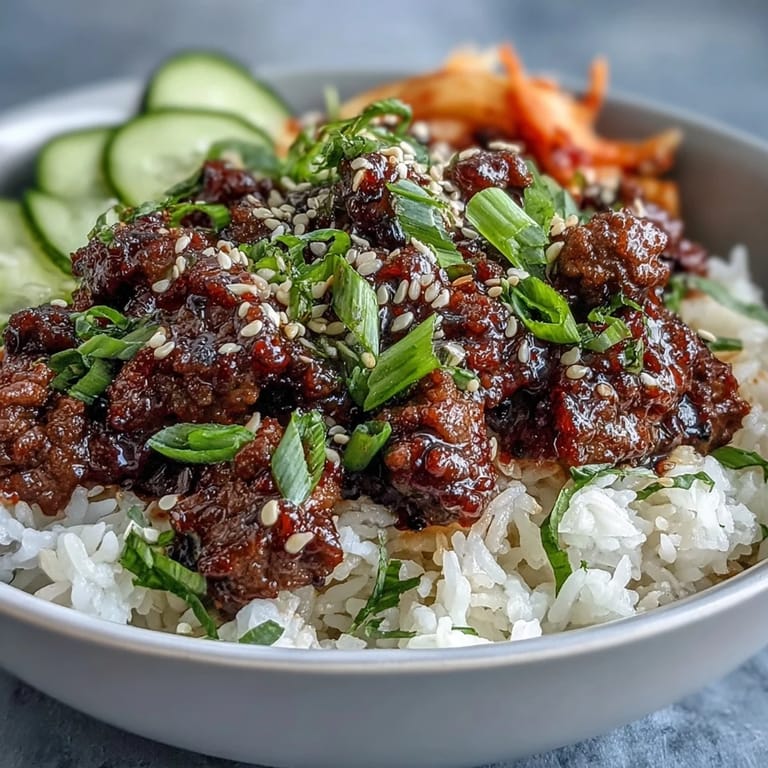
Save There's something about handing someone a warm bowl of this and watching them taste it for the first time that never gets old. The way their eyes light up when they hit that balance of spicy, savory, and fresh reminds me why I love cooking for people.
Why Temperature Matters More Than You Think
Keep your skillet at medium heat because higher temperatures will scorch the gochujang paste before the beef finishes cooking, leaving you with bitter notes that are hard to fix. Medium also gives you time to break up the meat evenly and let the sauce develop properly without rushing. I learned this the hard way my second time making it, when impatience led to a slightly burnt-tasting batch that was still edible but not the same.
The Art of Building a Better Bowl
Think of the bowl as a composition where every element has a job rather than just ingredients crowded together. The rice is your base and sauce catcher, the beef is your protein anchor, and everything else is texture and temperature contrast. Arranging things in sections rather than mixing them creates visual interest and lets people customize their bites depending on what they're craving in that moment.
Customization and Variations That Actually Work
This bowl is forgiving enough to swap proteins without losing its character, whether you use ground turkey for something lighter or plant-based crumbles if you're cooking for vegetarians. The gochujang-soy-sugar trio works with almost any protein you choose, and the vegetable toppings can shift with the seasons. Some friends swear by adding a fried egg on top for richness, while others layer in shredded cabbage or sliced radish for extra crunch.
- If you're sensitive to heat, start with one tablespoon of gochujang and add more after tasting rather than committing to two tablespoons right away.
- Cook your rice in advance so assembly moves smoothly, and keep everything at different temperatures so the bowl stays interesting to eat.
- Leftover beef keeps in the fridge for three days and reheats beautifully, making this perfect for meal prep even if it never lasts long enough for that in my house.
 Save
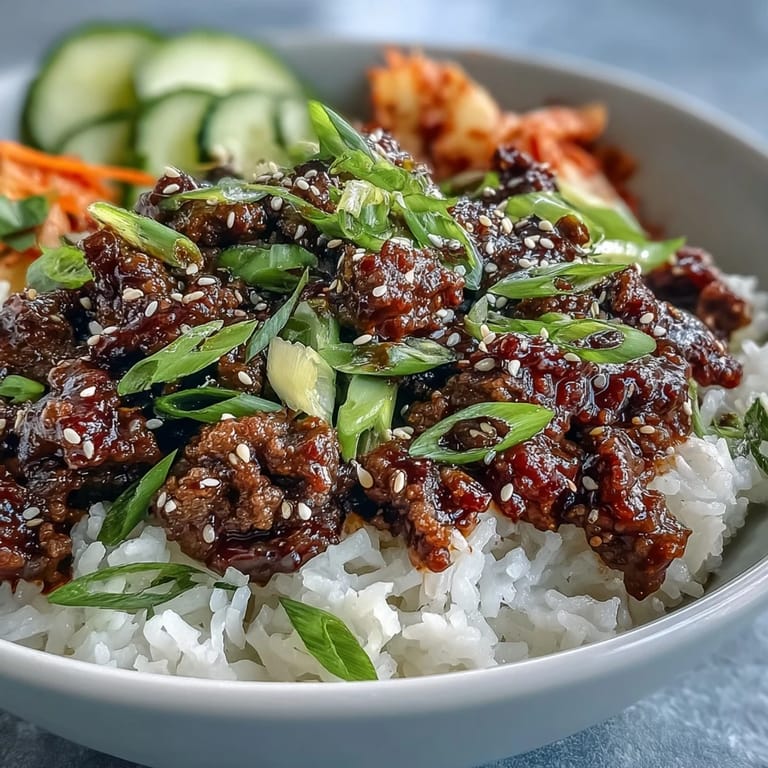
Save This bowl has become the kind of thing I make when I want to feel like I'm taking care of myself and the people around me without it feeling like a chore. It proves that simple food made with intention tastes so much better than something fancy made half-heartedly.
Recipe FAQ
- → What does gochujang taste like?
Gochujang offers a complex flavor profile combining sweet, savory, and spicy notes with a deep fermented umami taste. It's less sharp than fresh chili paste but more flavorful than regular hot sauce.
- → Can I make this bowl ahead of time?
The seasoned beef stores well in the refrigerator for up to 4 days. Keep the rice, vegetables, and toppings separate until serving to maintain optimal texture and freshness.
- → Is gochujang very spicy?
Gochujang provides moderate heat that's generally milder than fresh chili peppers. You can easily adjust the amount to control spice levels or choose mild varieties available at most Asian markets.
- → What rice works best for this bowl?
Short-grain white or brown rice creates the most authentic Korean bowl experience. The slightly sticky texture helps bind ingredients together, though jasmine rice makes a delicious alternative.
- → Can I use frozen vegetables instead of fresh?
Fresh vegetables provide the best crunch and texture, but frozen edamame works perfectly after thawing. For cucumbers and carrots, fresh is recommended as frozen versions become too soft when thawed.
- → How do I make this gluten-free?
Substitute regular soy sauce with gluten-free tamari and verify your gochujang brand is gluten-free. Some commercial gochujang contains wheat, so check labels carefully or seek certified gluten-free versions.