 Save
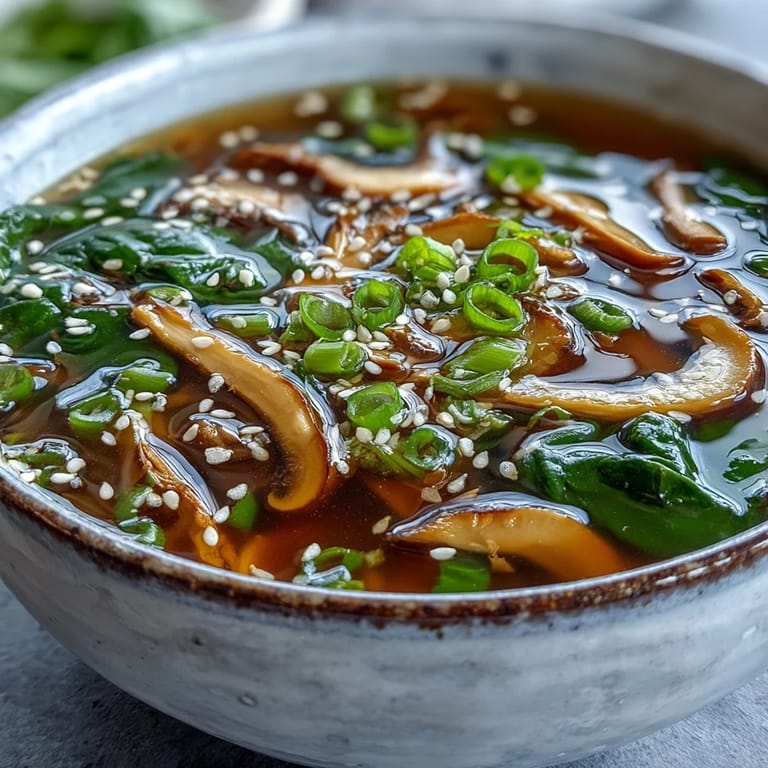
Save The first time I made this soup was during a particularly relentless February when I couldn't seem to shake the chill that had settled in my bones. My grandmother always said ginger was medicine, and she was right, but I never quite understood how she meant it until I started simmering fresh slices into broth. This soup became my weekly ritual, something I'd make on Sunday afternoons while snow piled up outside the kitchen window. The smell alone is enough to make you feel like you're being taken care of.
I made a giant batch of this for my sister when she was recovering from the flu last winter. She called me the next day saying it was the first thing that actually made her feel human again. Since then, she keeps miso paste in her refrigerator at all times.
Ingredients
- Vegetable broth: Low-sodium gives you control over the seasoning
- Fresh ginger: Thin slices release more flavor than mincing
- Garlic: Thin slices prevent harsh bites and infuse gently
- White miso paste: Milder than red miso, perfect for delicate soups
- Shiitake mushrooms: Add depth and a satisfying texture
- Baby spinach or bok choy: Wilts beautifully without becoming mushy
- Carrot: Julienned adds sweetness and visual contrast
- Green onions: Fresh finish that brightens every bowl
- Sesame seeds: Toasted adds essential nutty richness
Tired of Takeout? 🥡
Get 10 meals you can make faster than delivery arrives. Seriously.
One email. No spam. Unsubscribe anytime.
Instructions
- Build the base:
- Bring the vegetable broth to a gentle bubble over medium heat, not a rolling boil
- Infuse the aromatics:
- Add sliced ginger and garlic, letting them steep for 10 minutes until the kitchen smells incredible
- Add vegetables:
- Toss in mushrooms and carrots, cooking just until tender but still with some bite
- Temper the miso:
- Whisk a ladle of hot broth into miso paste until smooth, then return to the pot over low heat
- Finish with greens:
- Stir in spinach or bok choy and green onions until just wilted, about 1 minute
- Season and serve:
- Taste and adjust, then ladle into bowls and finish with your favorite toppings
 Save
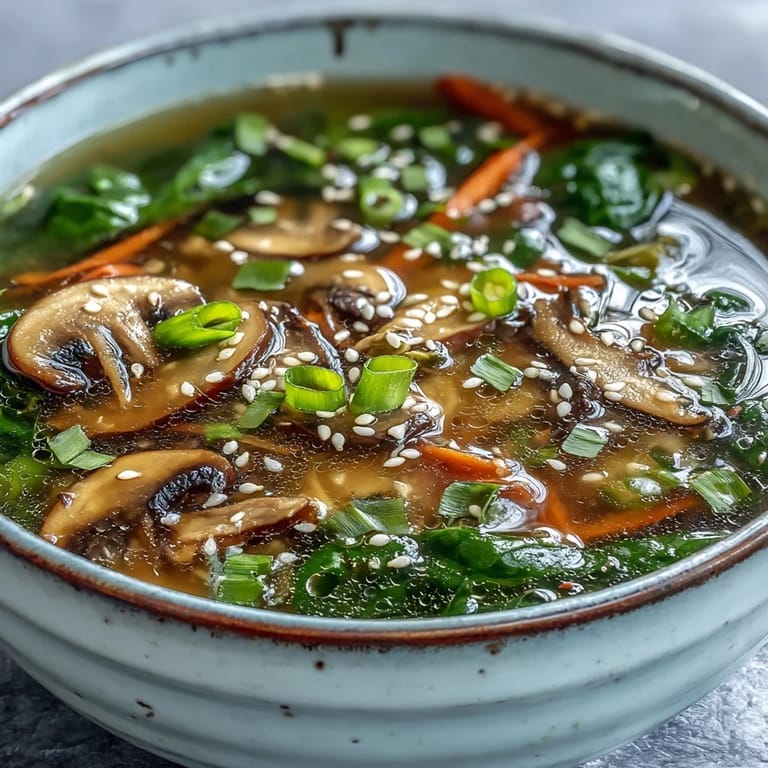
Save This soup has become my go-to gift for friends who need comfort. There's something about handing someone a warm container of soup that says you care more than words ever could.
Making It Your Own
Once you master the basic technique, this soup becomes a canvas for whatever you have on hand. I've added cubed silken tofu when I needed extra protein, and soba noodles turn it into a full meal. Red miso creates a bolder, earthier version that's perfect for rainy days.
The Miso Secret
Different miso pastes yield dramatically different results. White miso is sweet and mild, yellow miso has more body, and red miso brings serious depth. Keep several varieties in your refrigerator and experiment freely.
Storage And Meal Prep
This soup keeps beautifully in the refrigerator for up to 5 days, but I recommend storing the miso separately and stirring it in when reheating to preserve those beneficial bacteria. The flavors actually develop and deepen over time, making it even better on day two.
- Freeze without the greens for best results
- Add fresh greens when reheating from frozen
- Never reheat miso soup in the microwave
 Save
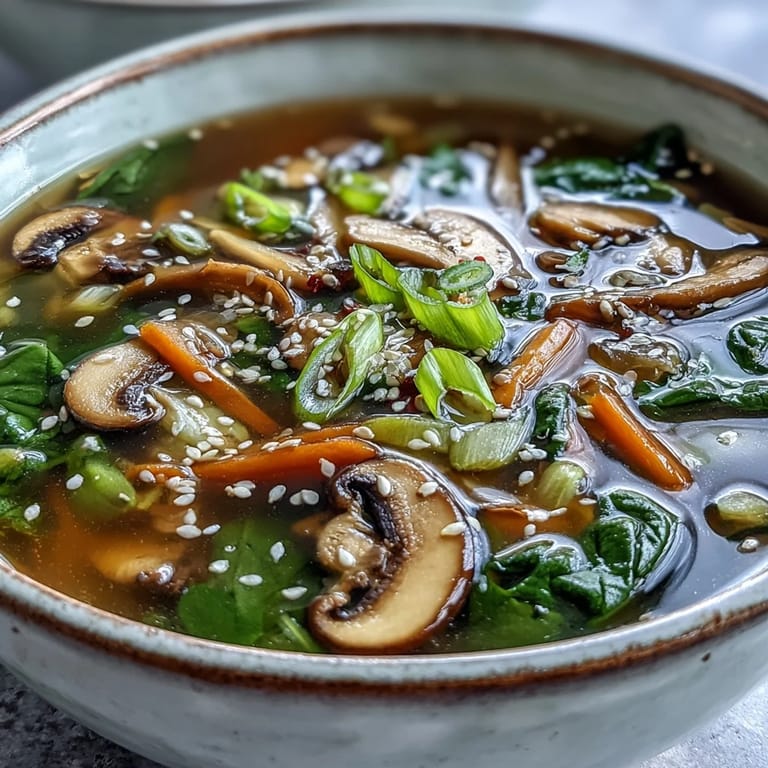
Save Hope this soup brings you as much comfort as it has brought me during these long winter months.
Recipe FAQ
- → Why add miso at the end of cooking?
Miso contains beneficial probiotics that are destroyed by high heat. Removing some broth to whisk with the paste separately, then stirring it in at the end preserves these cultures while ensuring smooth incorporation into the soup.
- → Can I use different types of miso?
Yes. White and yellow miso offer milder, sweeter flavors while red miso provides deeper, more intense notes. Each brings the same probiotic benefits and umami richness to the broth.
- → How can I make this more filling?
Add cubed silken tofu during the last few minutes of cooking, or incorporate cooked soba or udon noodles for a heartier meal. Both additions complement the flavors while increasing protein content.
- → What vegetables work best in this soup?
Shiitake mushrooms add earthy depth, while quick-cooking greens like spinach, bok choy, or kale provide nutrients. Carrots bring sweetness and color. Any delicate greens that wilt quickly work beautifully here.
- → Is this soup freezer-friendly?
It's best enjoyed fresh since freezing can affect the texture of vegetables and potency of miso's probiotics. However, the ginger-garlic broth base can be made ahead and frozen, with fresh vegetables and miso added when reheating.
- → How spicy is this soup?
The base is mild and gently warming from ginger. Adding chili oil or red pepper flakes as a garnish allows you to control heat levels, making it adaptable for different preferences.