 Save
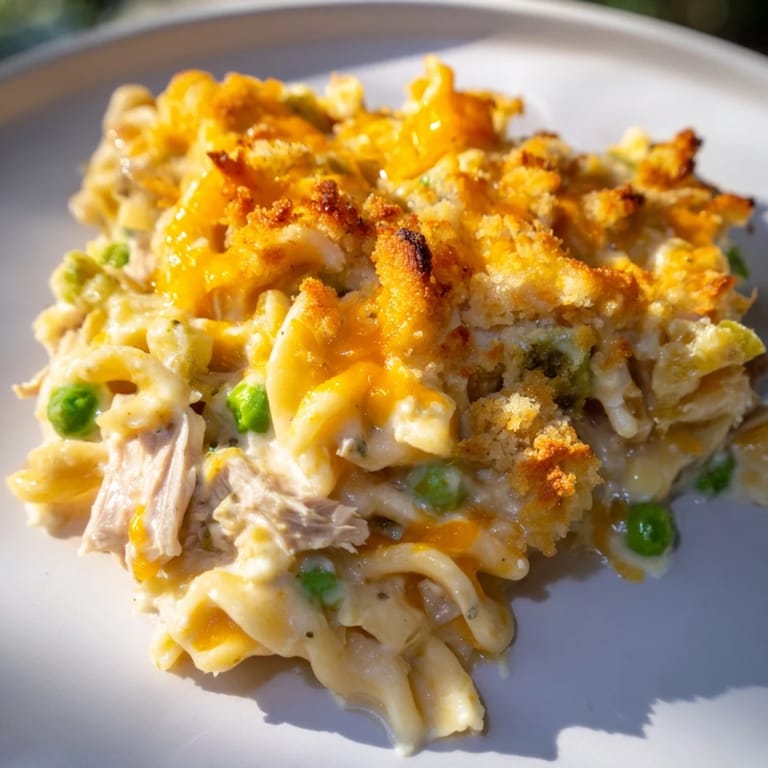
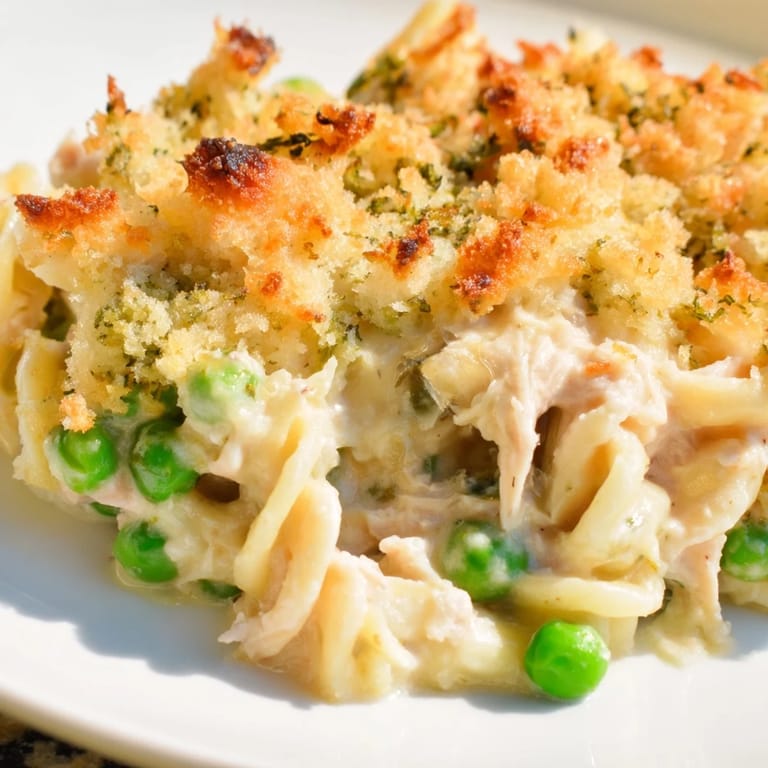
Save My mom used to make this tuna casserole on Thursday nights when my dad had late meetings at the office, and somehow it became the dish that meant everything was going to be okay. There's something about the way the creamy sauce catches the light as it bubbles in the oven, and how the breadcrumb topping turns that perfect shade of amber—it's comfort in its purest form. I spent years thinking it was fancy because of the sour cream, until I realized it was just her way of making something simple feel special for us. Now when I make it, I'm not just feeding people; I'm sharing a moment that tastes like home.
I remember serving this to my partner's family for the first time and watching their skepticism slowly melt into genuine delight. The grandmother—who I was terrified would judge—asked for the recipe before dessert was even cleared. That's when I learned that the simplest dishes, made with intention, are often the ones people remember.
Ingredients
- Egg noodles or fusilli (250 g): These hold the sauce better than delicate pasta shapes, and the slightly toothy texture keeps every bite interesting even after baking.
- Frozen peas (1 cup): They thaw gently in the warm sauce and add bright sweetness without requiring any prep work—use them straight from the freezer.
- Onion and garlic (1 small onion, 2 cloves): These build the aromatic foundation; don't skip the sauté step because that's where the flavor really wakes up.
- Canned tuna in water (2 cans, 170 g each): Drain it thoroughly to avoid a watery casserole, and actually taste a flake to make sure it doesn't smell off.
- Unsalted butter (4 tablespoons total): This is your flavor vehicle; butter that's been clarified slightly in the pan tastes richer than you'd expect.
- All-purpose flour (2 tablespoons): This thickens your sauce; the roux is where technique actually matters, so don't walk away from the stove during those crucial 60 seconds.
- Milk (1.5 cups) and sour cream (0.5 cup): The milk carries the sauce smoothly; the sour cream adds tanginess that keeps it from feeling heavy or one-note.
- Cheddar cheese (0.5 cup): Use the good stuff if you can—that extra sharpness cuts through the richness in a way that makes people notice.
- Panko breadcrumbs (1 cup) with melted butter and Parmesan (2 tablespoons each): This topping is where the casserole goes from good to golden; the butter keeps it crisp even after it sits.
Tired of Takeout? 🥡
Get 10 meals you can make faster than delivery arrives. Seriously.
One email. No spam. Unsubscribe anytime.
Instructions
- Get your mise en place ready:
- Preheat the oven to 190°C (375°F) and grease your baking dish with a little butter so nothing sticks. Chop your onion and garlic while your water comes to a boil—having everything prepped before you start cooking means you won't be rushing.
- Cook the pasta with intention:
- Bring salted water to a rolling boil and add your noodles, stirring once so they separate. Cook to al dente (chewy, not soft), then drain without rinsing so the starch stays on the surface to help catch the sauce.
- Build your aromatic base:
- Melt butter in a large skillet over medium heat and add the onion and garlic, letting them soften for about three minutes until they smell sweet and golden. This is the smell that tells you something delicious is happening.
- Make the roux without panic:
- Sprinkle flour directly into the butter and stir constantly for one full minute. You're not looking for color—just a paste that smells toasty and coats the back of a spoon.
- Create your creamy sauce:
- Slowly pour in the milk while whisking, letting it incorporate smoothly so no lumps form. Bring it to a gentle simmer and stir for another three to four minutes until it thickens enough to coat a spoon lightly.
- Season and finish the sauce:
- Remove from heat and stir in the sour cream, salt, pepper, thyme if you're using it, and the cheddar cheese. The warmth will melt the cheese into something silky and perfect.
- Bring it all together gently:
- Fold in the drained tuna, peas, and cooked pasta with a spatula, moving slowly so the tuna stays in soft flakes instead of breaking apart into a mushy texture.
- Assemble in the baking dish:
- Pour the mixture into your prepared dish and smooth the top so the heat reaches everywhere evenly.
- Top with golden crunch:
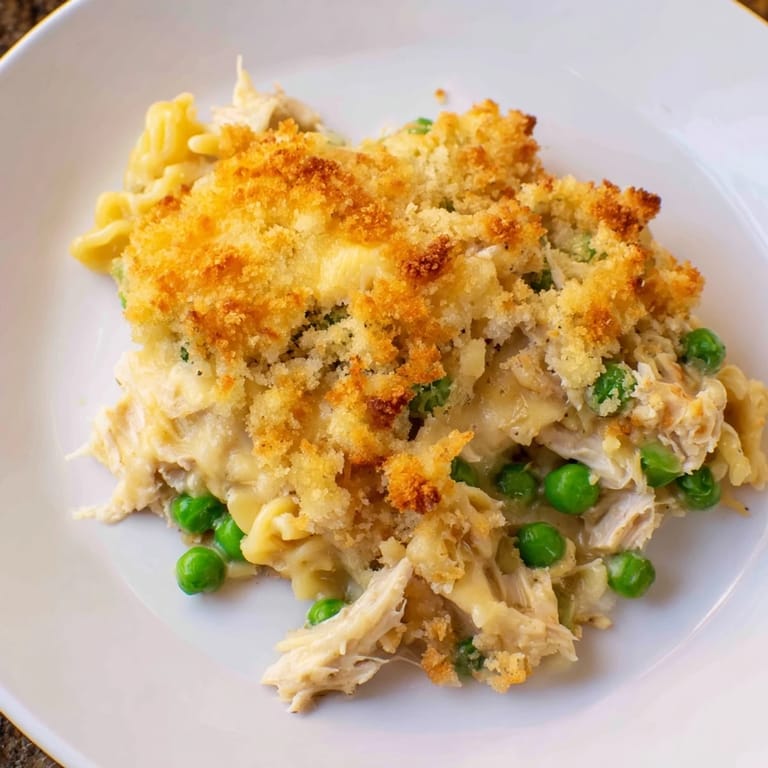
- Mix the panko, melted butter, and Parmesan in a small bowl until the breadcrumbs are evenly coated, then sprinkle this across the top of the casserole. This is what everyone eats first.
- Bake until bubbling and golden:
- Slide into the oven for twenty to twenty-five minutes, until the edges are bubbling and the top is the color of toasted bread. Don't rush this—those last few minutes make the difference between good and memorable.
- Let it rest before serving:
- Take it out of the oven and let it sit for five minutes so the sauce sets enough to serve cleanly, and the heat doesn't shock your mouth when you take that first bite.
 Save
Save The first time I served this to someone who'd never had it before, they took one bite and their face just softened. That's when I understood that food doesn't have to be complicated to move people—it just has to be made with care and served with warmth. It became the dish I reach for when someone needs comfort, or when I need to remind myself why I love cooking.
Why This Casserole Works
There's a quiet genius in how this dish balances richness with freshness. The sour cream adds tanginess that keeps the heavy cream sauce from feeling cloying, while the peas bring a whisper of sweetness and brightness. The tuna, which some people worry about, actually becomes subtle and almost luxurious when folded into this silky mixture—it stops tasting like tuna from a can and starts tasting like a choice.
The Topping Matters More Than You Think
I learned this the hard way by once trying to skip the breadcrumb topping to cut down on time. The casserole was still delicious, but it felt incomplete—like a song without the final note. The panko, crisped in butter and studded with Parmesan, isn't just decoration; it's textural contrast that makes every spoonful more interesting. When you're building this topping, use your fingers to mix it so the butter coats every crumb evenly, and don't be shy with it.
Variations and Personal Touches
Once you understand how this casserole works, it becomes a template for your own creativity. I've added sautéed mushrooms when I had them, switched to Swiss cheese for a nuttier flavor, and even used Greek yogurt instead of sour cream when that's what was in the fridge. Each change shifted the flavor just enough to feel fresh while keeping the soul of the dish intact. The important thing is that you don't overthink it—cook what sounds good, and trust that the base recipe is sturdy enough to support your instincts.
- Try adding a handful of sautéed mushrooms or a few sun-dried tomatoes for depth.
- A pinch of nutmeg in the sauce adds an elegant warmth that nobody can quite identify.
- If you make this ahead, cover it before baking and add five minutes to your cooking time straight from the fridge.
 Save
Save This casserole has become my answer to a lot of questions: what to bring to someone's house when they need comfort, what to make when I want to feel capable and generous, what to serve when I want everyone at the table to feel like they're home. That's the real recipe—not just the ingredients and technique, but the intention behind it.
Recipe FAQ
- → What type of pasta works best?
Egg noodles or fusilli suit this dish well, holding the creamy sauce and mixing easily with other ingredients.
- → Can I add other vegetables?
Yes, sautéed mushrooms or other mild vegetables can be added to enhance flavor and texture.
- → How do I achieve a crispy topping?
Combine panko breadcrumbs with melted butter and Parmesan cheese, then sprinkle over before baking for a golden crust.
- → Is it possible to make it dairy-free?
You can substitute sour cream with dairy-free yogurt and use plant-based milk alternatives for the sauce.
- → What is the preferred baking temperature and time?
Bake at 190°C (375°F) uncovered for 20–25 minutes until the top turns golden and bubbling.