 Save
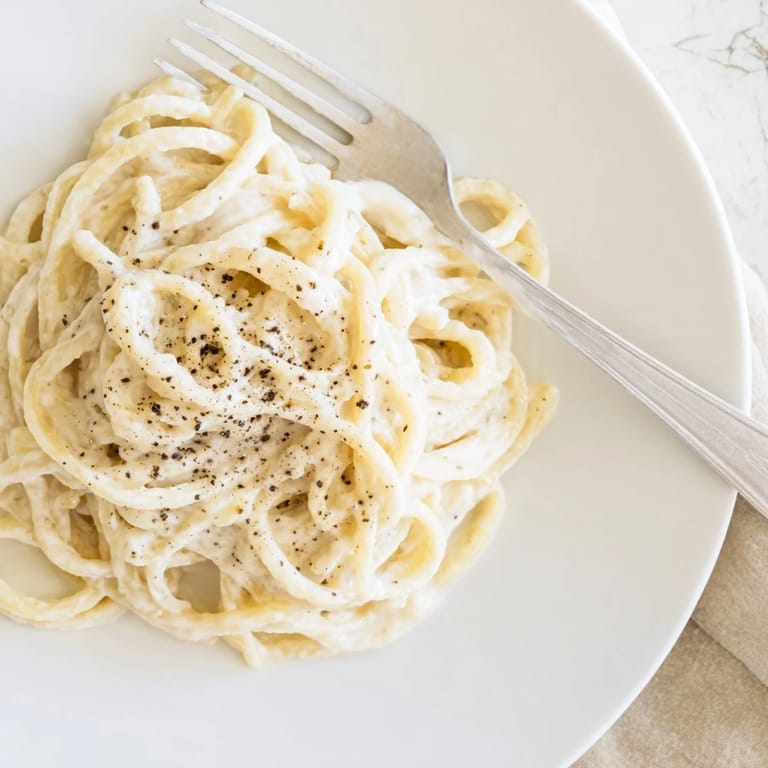
Save The skillet was too hot, the cheese seized into rubbery strings, and I stood there staring at what was supposed to be creamy cacio e pepe like I'd just ruined a masterpiece. My friend Marco, visiting from Rome, laughed and said, "Low heat, always low heat." He scraped the pan, we started over, and this time he stood next to me, coaching every move. That second attempt turned into silk, and I finally understood why Romans guard this recipe like a secret.
I made this for my sister after she had a rough week, and she sat at my kitchen counter in silence, twirling forkfuls and sighing between bites. She didn't say much, but she asked for seconds, and later she texted me asking for the recipe. Sometimes the simplest food does the heaviest lifting.
Ingredients
- Spaghetti: The long strands are traditional and hold the creamy sauce beautifully, but any pasta shape works if you need to improvise.
- Pecorino Romano cheese: This is the soul of the dish, sharp and salty with a slight funk that makes it unforgettable, so buy a good wedge and grate it yourself.
- Freshly cracked black pepper: Toasting it in the pan wakes up its aromatics and turns it from a background note into a starring flavor.
- Salt: For the pasta water, and remember that Pecorino is already salty, so taste before adding more.
Tired of Takeout? 🥡
Get 10 meals you can make faster than delivery arrives. Seriously.
One email. No spam. Unsubscribe anytime.
Instructions
- Boil the Pasta:
- Bring a large pot of well salted water to a rolling boil and cook the spaghetti until it still has a firm bite, making sure to scoop out a full cup of that starchy water before you drain. That water is liquid gold for building the sauce.
- Toast the Pepper:
- While the pasta cooks, add the black pepper to a dry skillet over low heat and let it sizzle gently for a minute or two until it smells warm and fragrant. Don't rush this step or the pepper will taste raw.
- Create the Base:
- Pour about half a cup of the reserved hot pasta water into the skillet with the toasted pepper and let it bubble softly. This peppery water becomes the foundation of your sauce.
- Toss the Pasta:
- Add the drained spaghetti directly into the skillet and toss it around so every strand gets coated in that peppery liquid. The pasta should glisten and start to loosen up.
- Add the Cheese:
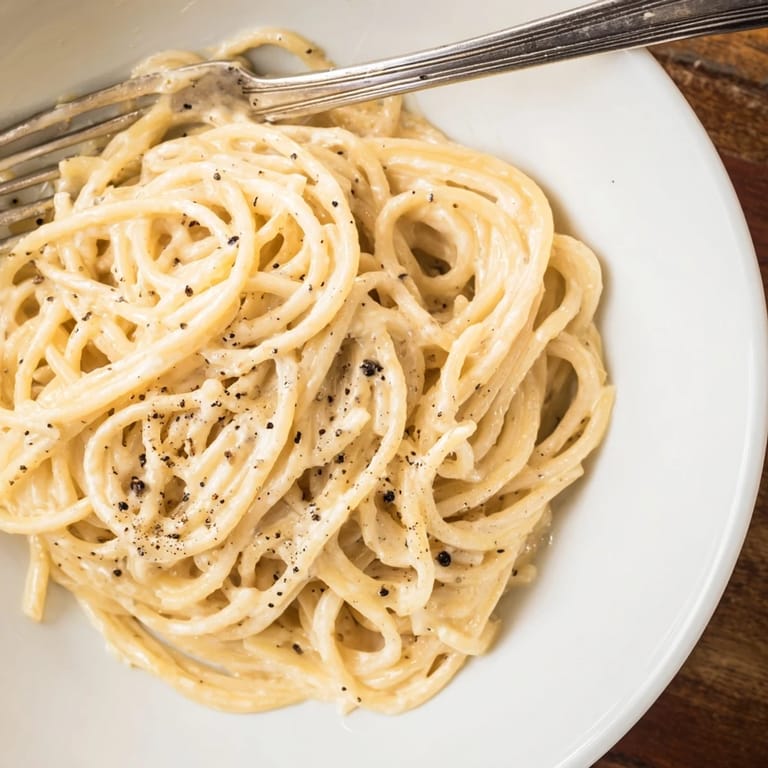
- Turn the heat to the lowest setting, then sprinkle in the grated Pecorino Romano bit by bit, tossing constantly and vigorously like you're trying to wake it up. Add splashes of reserved pasta water as you go until the cheese melts into a creamy, glossy sauce that clings to every strand.
- Serve Immediately:
- Plate it right away while it's steaming, and finish with an extra shower of cheese and a few aggressive cranks of black pepper. Cacio e pepe waits for no one.
 Save
Save One night I made this after a long day, and as I stood there tossing the pasta in the pan, I realized I wasn't thinking about anything else. Just the rhythm of the tongs, the smell of toasted pepper, the way the sauce started to cling. It was the first time in weeks I'd felt completely present, and I think that's the magic of cooking something this simple and this good.
How to Fix a Broken Sauce
If your sauce seizes or looks dry and clumpy, don't panic. Pull the pan off the heat completely, add a few tablespoons of hot pasta water, and start tossing again with energy and hope. The residual heat and starch will often bring it back together if you keep moving. I've rescued more than one batch this way, and it always feels like a small miracle.
Choosing Your Cheese
Pecorino Romano is sharper and saltier than Parmigiano Reggiano, and that intensity is what makes cacio e pepe taste like itself. If you want something milder, Parmigiano works, but you'll lose some of that bold Roman character. I once used a mix of both because I ran out of Pecorino, and it was delicious in its own right, just a little gentler. Taste as you go and trust your palate.
Serving and Pairing
This dish is best eaten immediately, straight from the pan if you're feeling casual, because the sauce thickens as it cools. A crisp white wine like Vermentino or Pinot Grigio cuts through the richness beautifully, and a simple green salad with lemon vinaigrette is all you need on the side. I've served this at dinner parties and at 10 p.m. on a Tuesday, and it always feels like an occasion.
- Use a warmed serving bowl to keep the pasta from cooling too fast.
- Leftover cacio e pepe doesn't reheat well, so make only what you'll eat.
- If you want to stretch it, toss in some sauteed greens or crispy pancetta for a heartier version.
 Save
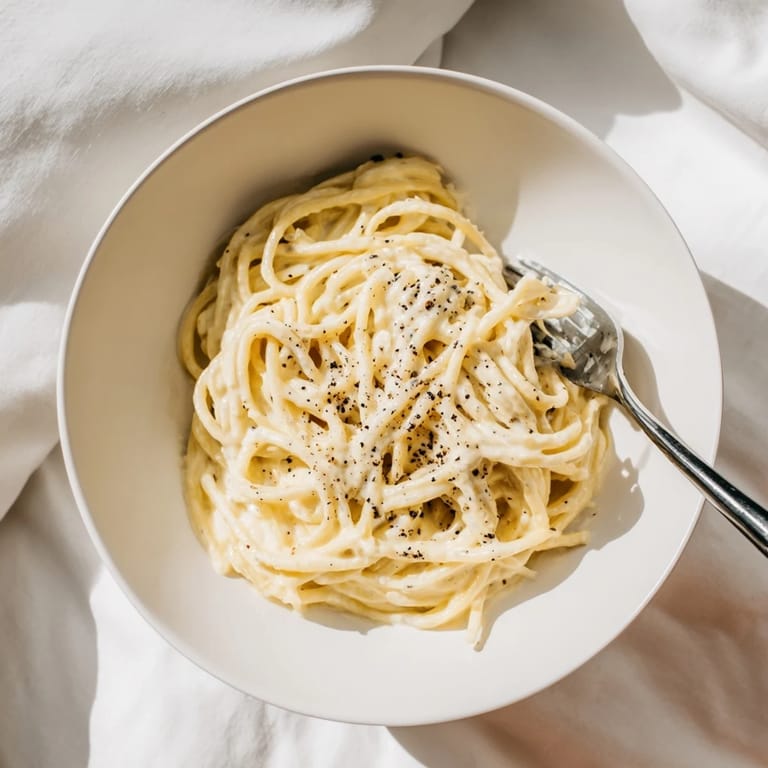
Save Cacio e pepe taught me that technique matters as much as ingredients, and that sometimes the best meals come from just a handful of things done right. Make it once, make it again, and soon you'll be the one teaching someone else how to coax cheese into cream.
Recipe FAQ
- → Why is my Cacio e Pepe sauce becoming grainy instead of creamy?
Graininess occurs when the cheese overheats or clumps. Work quickly when adding Pecorino Romano, stirring vigorously over low heat. Reserve extra pasta water for adjusting consistency, and ensure your spaghetti is still hot when tossing with the cheese mixture.
- → Can I use Parmigiano Reggiano instead of Pecorino Romano?
Yes, Parmigiano Reggiano works as a substitute, though it produces a milder, slightly nutty flavor compared to Pecorino's sharper, saltier profile. The texture and sauce consistency remain similar, making it a viable alternative for those preferring a gentler taste.
- → How important is using freshly grated cheese?
Freshly grated Pecorino Romano is essential for achieving the signature creamy emulsion. Pre-grated varieties contain anti-caking agents that prevent proper melting and sauce formation. Grating by hand ensures optimal results and authentic texture.
- → What type of black pepper should I use?
Freshly cracked black pepper is crucial—coarsely ground provides better aroma and texture than pre-ground varieties. Toast the pepper briefly in the skillet before adding pasta water to intensify its flavors and create the dish's characteristic peppery profile.
- → Can I make this dish ahead of time?
Cacio e Pepe is best served immediately after preparation. The sauce doesn't hold well and may separate upon sitting. Prepare components in advance, but combine and cook just before serving for optimal creaminess and flavor.
- → What wine pairs best with this dish?
Crisp white wines like Vermentino, Pinot Grigio, or other Italian whites complement Cacio e Pepe beautifully. Their acidity cuts through the richness of the cheese sauce while enhancing the pepper's spice, creating a balanced pairing.