 Save
Save My neighbor showed up with a box of edible flowers from her garden last spring, and I suddenly had this ridiculous urge to make something worthy of them. Not a salad, not a garnish scattered across a plate—something that would make those delicate petals the real star. These mini layer cakes were born from that moment, a way to turn an afternoon of baking into something that felt like celebrating. The vanilla and lemon keep things bright and simple, letting the flowers do what they do best.
I made these for my daughter's friend's birthday party, and watching six-year-olds react to biting into a cake with an actual flower on top was priceless. One kid asked if it was magic. That's when I knew this recipe had something special—it transforms a simple dessert into an experience that people actually remember.
Ingredients
- All-purpose flour (1 1/4 cups): The foundation that keeps these cakes tender and light; don't sift it unless you want to risk ending up with something too dense.
- Baking powder (1 tsp): Your invisible helper that gives the cakes their subtle rise without any heaviness.
- Salt (1/4 tsp): A pinch that makes the vanilla and lemon sing instead of whisper.
- Unsalted butter, softened (1/2 cup for cake, 3/4 cup for buttercream): Room temperature is non-negotiable here—cold butter will fight you every step of the way.
- Granulated sugar (3/4 cup): Creamed with butter until pale, this creates the tender crumb you're after.
- Eggs (2 large, room temperature): Just as important as the butter—they bind everything and add moisture that you cannot fake.
- Pure vanilla extract (1 tsp for cake, 1 tsp for buttercream): The backbone of the flavor; never skip this or use imitation.
- Lemon zest (1/2 tsp): A whisper of brightness that lifts the whole cake without turning it into lemon cake.
- Whole milk, room temperature (1/2 cup): Keeps the batter balanced so the cake stays moist and tender.
- Powdered sugar, sifted (2 cups for buttercream): Sifting matters here—lumpy buttercream is a waste of good butter.
- Heavy cream or whole milk (1–2 tbsp): Added gradually to get your buttercream to the perfect spreadable consistency.
- Edible flowers (1 cup): Source these from a trusted supplier and always verify they are pesticide-free; they are not just decoration, they are part of the story.
Tired of Takeout? 🥡
Get 10 meals you can make faster than delivery arrives. Seriously.
One email. No spam. Unsubscribe anytime.
Instructions
- Get your oven ready:
- Preheat to 350°F and line a 9x13 inch baking sheet with parchment paper, then give it a light grease. This is where the magic begins—a well-prepared pan makes all the difference.
- Mix your dry ingredients:
- Whisk together the flour, baking powder, and salt in a medium bowl until they look evenly combined. Set this aside and resist the urge to overmix.
- Cream butter and sugar:
- Beat the softened butter and sugar together for about three minutes until the mixture is pale, fluffy, and noticeably lighter in color. This is where the cake gets its tender texture, so don't rush this step.
- Add eggs one at a time:
- Crack each egg into the butter mixture and beat well after each addition, making sure everything is fully incorporated before adding the next. This takes patience but creates a properly emulsified batter.
- Blend in vanilla and lemon:
- Mix in the vanilla extract and lemon zest, stirring just until combined. The lemon should be subtle—you want a hint of brightness, not a lemon cake.
- Alternate wet and dry:
- Add half the flour mixture, then half the milk, then the remaining flour and milk, mixing gently after each addition until just combined. Overmixing at this point will make the cake tough, so fold rather than beat.
- Spread and bake:
- Pour the batter evenly onto your prepared baking sheet and smooth it with an offset spatula. Bake for eighteen to twenty-two minutes until a toothpick inserted in the center comes out clean and the top is light golden brown.
- Cool completely:
- Let the cake cool to room temperature on the baking sheet—rushing this will cause crumbling when you cut. This is a good time to start prepping your buttercream.
- Cut your cake rounds:
- Use a 2.5 to 3 inch round cutter to cut out twelve circles, re-rolling the scraps gently until you have enough rounds. Save any leftover scraps for cake pops or a midnight snack.
- Make the buttercream:
- Beat softened butter until creamy, then gradually add sifted powdered sugar, vanilla, salt, and one tablespoon of milk. Continue beating until the mixture is light and fluffy, adding more milk one teaspoon at a time until you reach a spreadable consistency.
- Tint if desired:
- Add pastel food coloring drop by drop, beating well after each addition to ensure the color is even throughout. You can make one big batch and divide it for multiple colors.
- Assemble the layers:
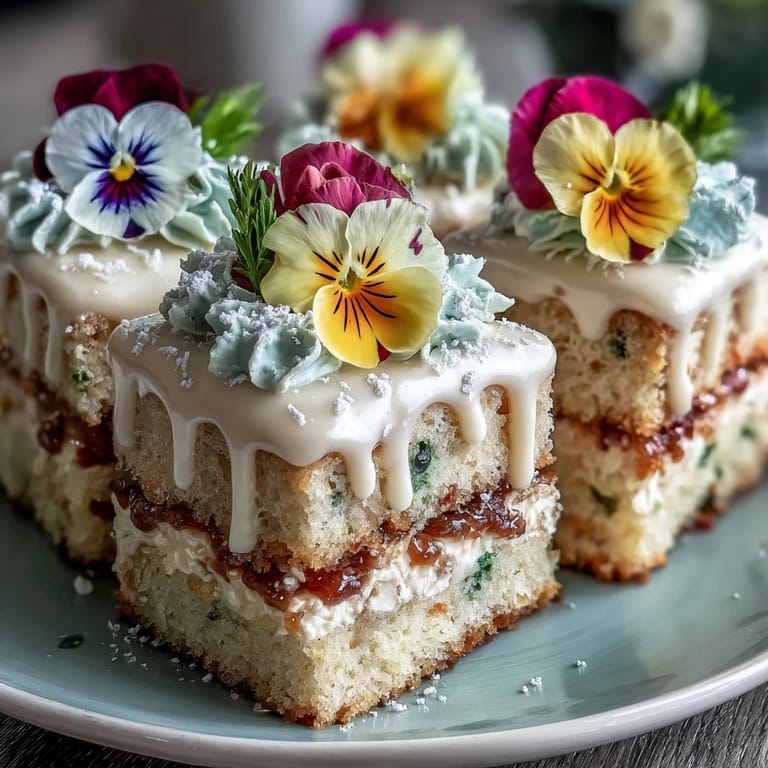
- Place one cake round on your serving plate, spread a thin layer of buttercream on top, then crown it with a second cake round. Add another thin layer of buttercream on top.
- Decorate with flowers:
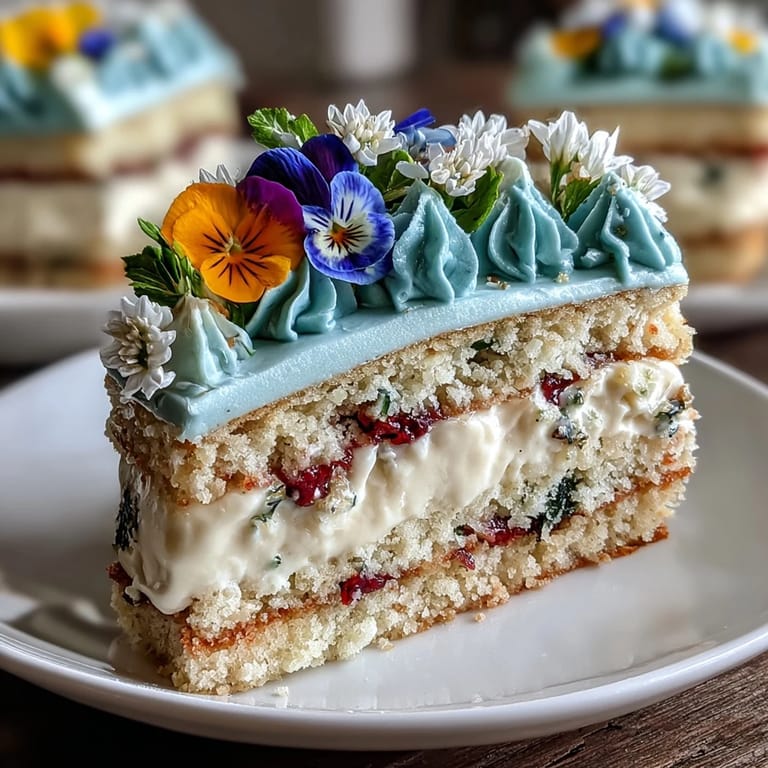
- Pipe or spread a small swirl of buttercream on the top of each mini cake, then arrange your edible flowers artfully as if you are creating a tiny garden. Step back and look at each one—they should make you smile.
- Chill before serving:
- Pop the assembled cakes into the refrigerator for fifteen minutes so the buttercream sets and the texture becomes perfect. This also makes them much easier to handle and serve.
 Save
Save I brought these to a potluck once, nervous that they seemed too fancy for the crowd, and someone actually asked for the recipe to make them for their wedding. That is when I realized these little cakes are not about impressing people—they are about making moments feel special in a way that food sometimes can.
Why Spring Flowers Matter
Edible flowers are not just visual sugar—they add a delicate flavor and texture that makes each bite feel intentional. Violas have a subtle floral note, pansies bring a slightly fruity quality, and nasturtiums add a peppery finish that surprises people in the best way. The moment someone bites into a cake and tastes an actual flower, the whole experience shifts from dessert to memory.
Buttercream Color and Flavor Play
Pastel tints work beautifully here because they complement the delicate flowers rather than competing with them. You can also brush each cake layer with a light citrus syrup before assembly—just combine equal parts sugar and water, bring to a simmer, add a squeeze of lemon or orange juice, and let it cool slightly before brushing. This adds moisture and another subtle layer of flavor that makes people wonder what your secret is.
Storage and Make-Ahead Tips
These cakes are best served the same day, but you can bake and cool the cake layers up to two days ahead and store them in an airtight container. The buttercream can be made one day in advance and kept refrigerated; just let it come to room temperature and re-whip it slightly before assembling. The edible flowers should be added no more than a few hours before serving so they stay fresh and beautiful.
- Keep your flowers in a cool, dry place until the last moment—humidity will wilt them fast.
- If you are making these for a specific event, assemble them just before the celebration so they look their absolute best.
- Leftover cake scraps are perfect for crumbling into cake pops or layering with buttercream for a trifle.
 Save
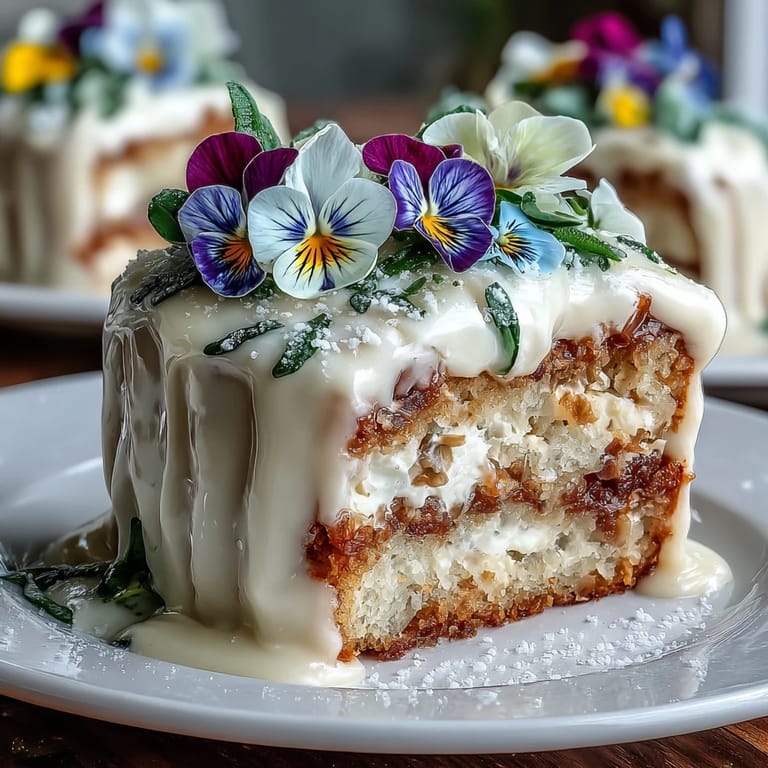
Save These mini cakes are proof that simple ingredients and a little thoughtfulness create something that feels luxurious. Make them for someone you love, and watch their face light up when they see an actual flower on their dessert.
Recipe FAQ
- → What flowers are safe to use for decoration?
Use food-safe, pesticide-free edible flowers such as violas, pansies, and nasturtiums, sourced from reputable suppliers.
- → Can I prepare the buttercream in advance?
Yes, the buttercream can be made ahead and stored in the refrigerator. Bring it to room temperature and rewhip before use.
- → How do I achieve pastel colors in the buttercream?
Add a few drops of food-safe color gel or liquid coloring to the buttercream and mix until evenly tinted.
- → What is the best way to cut uniform mini cakes?
Use a 2.5 to 3-inch round cookie cutter to cut the cooled cake into neat, equal circles.
- → How can I enhance the flavor of the cake layers?
Brush the cake layers lightly with citrus syrup or lemon glaze before assembling to add extra moisture and zesty flavor.